

Choose a Tube Laser That Fits Your Actual Work
Start with the tube part, your workload and the space around the complete machine. We compare current BNL Laser series against that job before recommending a configuration.
Home › Tube laser machines › Machine selection
What tube work must the machine actually do?
We begin with a real part and the amount of work you expect, not a model name. Send the material, tube outside diameter and wall thickness, hole pattern and smallest feature, stock length, batch size, and the remnant you can accept. These inputs tell us what to check during application review.
The tube and part
Material, dimensions, holes and the smallest feature set the cutting task.
The working pattern
Stock length, batch size and loading rhythm show how the machine will be used.
The goal
Tell us the remnant target and whether a weld-prep bevel or a flat cut is required.
Will the proposed setup fit your shop?
We review the complete proposed layout against your own shop floor plan. The machine body is only one part: tube loading, cut-part unloading and maintenance access also need room. We will check the arrangement with you before confirming a model; a short machine body alone does not establish that the setup fits.
When could a simpler configuration be enough?
For a first tube laser and modest small-tube work, we start by reviewing the M Series. We add automatic loading only when handling is a real bottleneck for the workload; a manual arrangement may be enough. Easy-Cut is included with our own complete tube machines, is not sold separately, and does not reduce the machine price if you already have a CAD engineer. If a higher configuration is chosen despite a sufficient simpler option, we say so and explain the tradeoff in writing. Decide whether automated handling is needed.
Which series should be reviewed for your situation?
We use the workpiece and shop conditions to narrow the candidates, then confirm the exact model in the application review. For a steel-tube butt joint needing a full, load-bearing weld, ask whether bevel preparation is required; a simple lap joint or non-welded cut may only need a flat-cut machine.
M Series
X Series
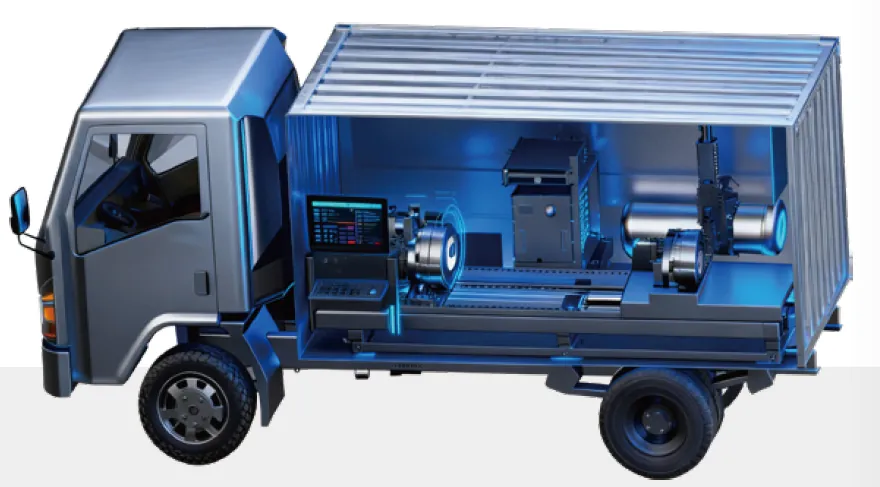
B-NexBeam
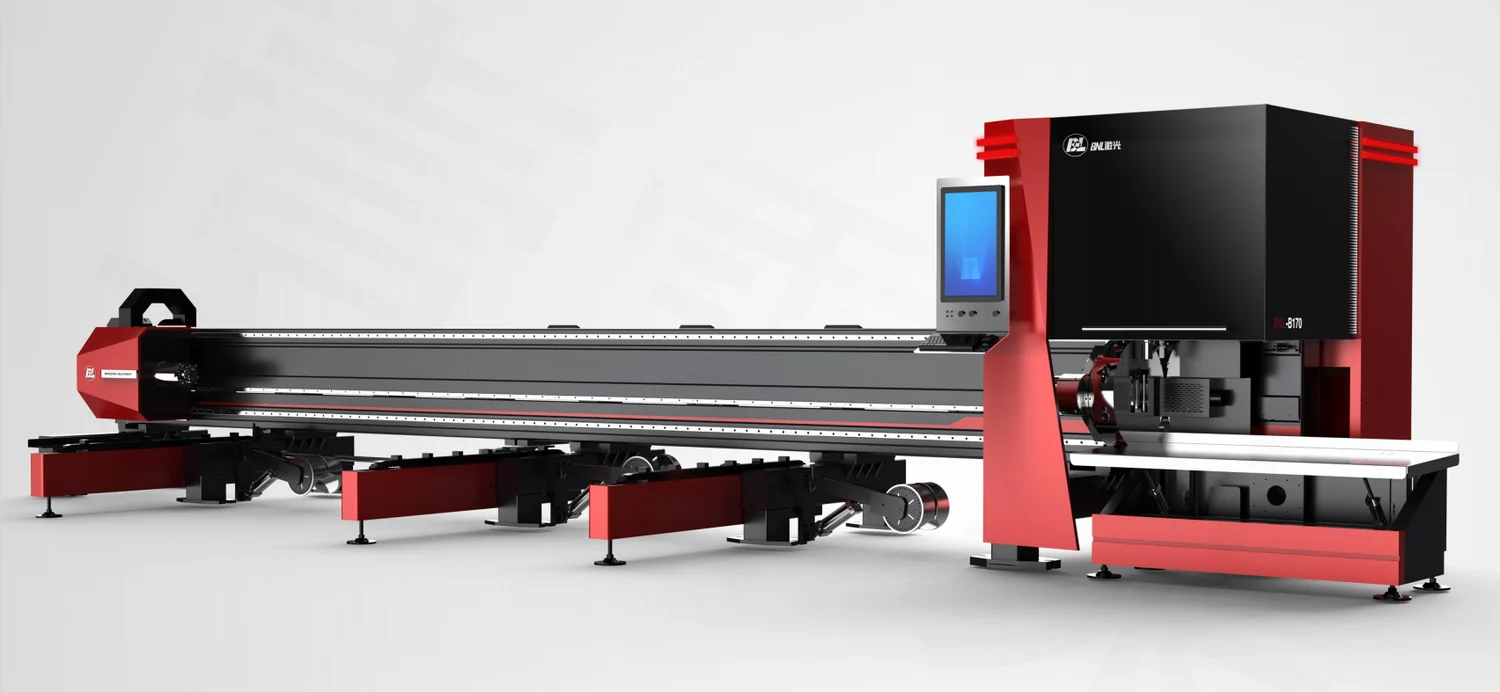
P-Pro
How can a sample resolve the remaining uncertainty?
We normally arrange a free sample cut on your own tube or approved material of the same specification. We check cut edge, remnant and cycle-time estimate for the proposed configuration; a result from another setup does not settle your job. You can still receive a written quotation without sending tube, with the untested conditions explained during review. The detailed sequence belongs on the process page.
Choose from your tube, not a model label.
Send a part clue and your shop constraints. We will review a suitable configuration and the sample-cut step.